
Understanding Airborne Mold Spores After Water Damage
Water damage can leave behind more than wet floors and walls — it can create invisible hazards in the air. Even if mold isn’t visible, airborne spores may be affecting your home and your health.
Why Mold Isn’t Always Visible
Mold isn’t always obvious. While patches on walls or floors are easy to spot, the real concern is often what’s floating in the air. Airborne spores can linger long after the surface appears clean, posing risks to indoor air quality.
How Mold Becomes Airborne
After water exposure, mold releases tiny spores that can travel through your home. This can happen when:
- Wet materials are disturbed
- Air movers increase airflow
- Drywall, carpet, or insulation is removed
- Moisture lingers for more than 24–48 hours
Even if you don’t see mold, spores may still be present, waiting to spread.
Why Airborne Mold Spores Matter
Breathing in mold spores can cause:
- Allergy-like reactions
- Respiratory irritation
- Headaches or fatigue
- Worsening asthma symptoms
Airborne spores can also spread contamination to clean areas if not properly controlled.
How Air Scrubbers Can Help
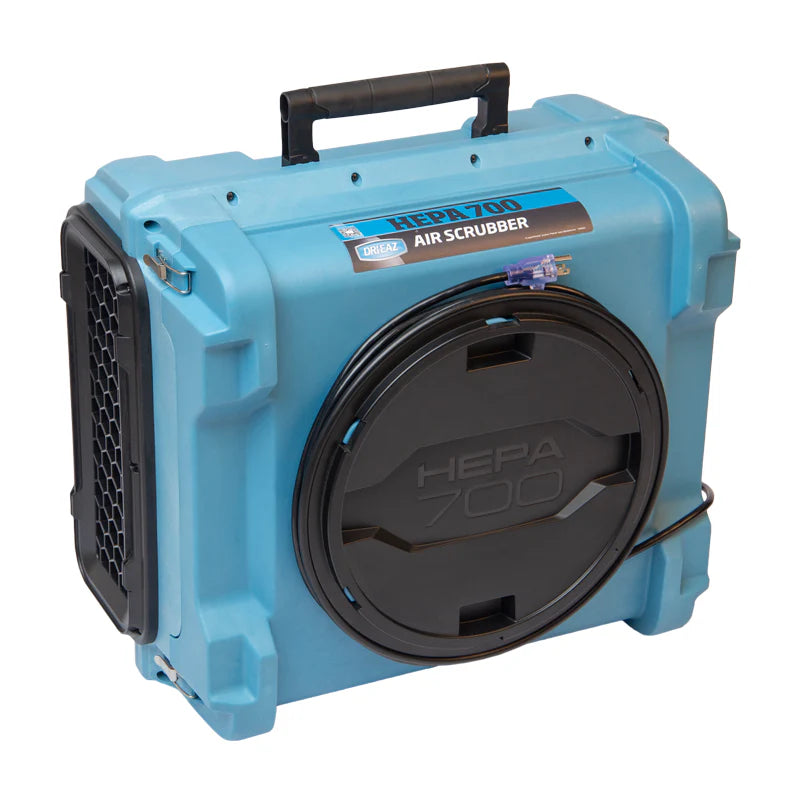
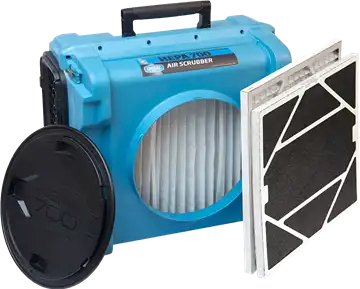
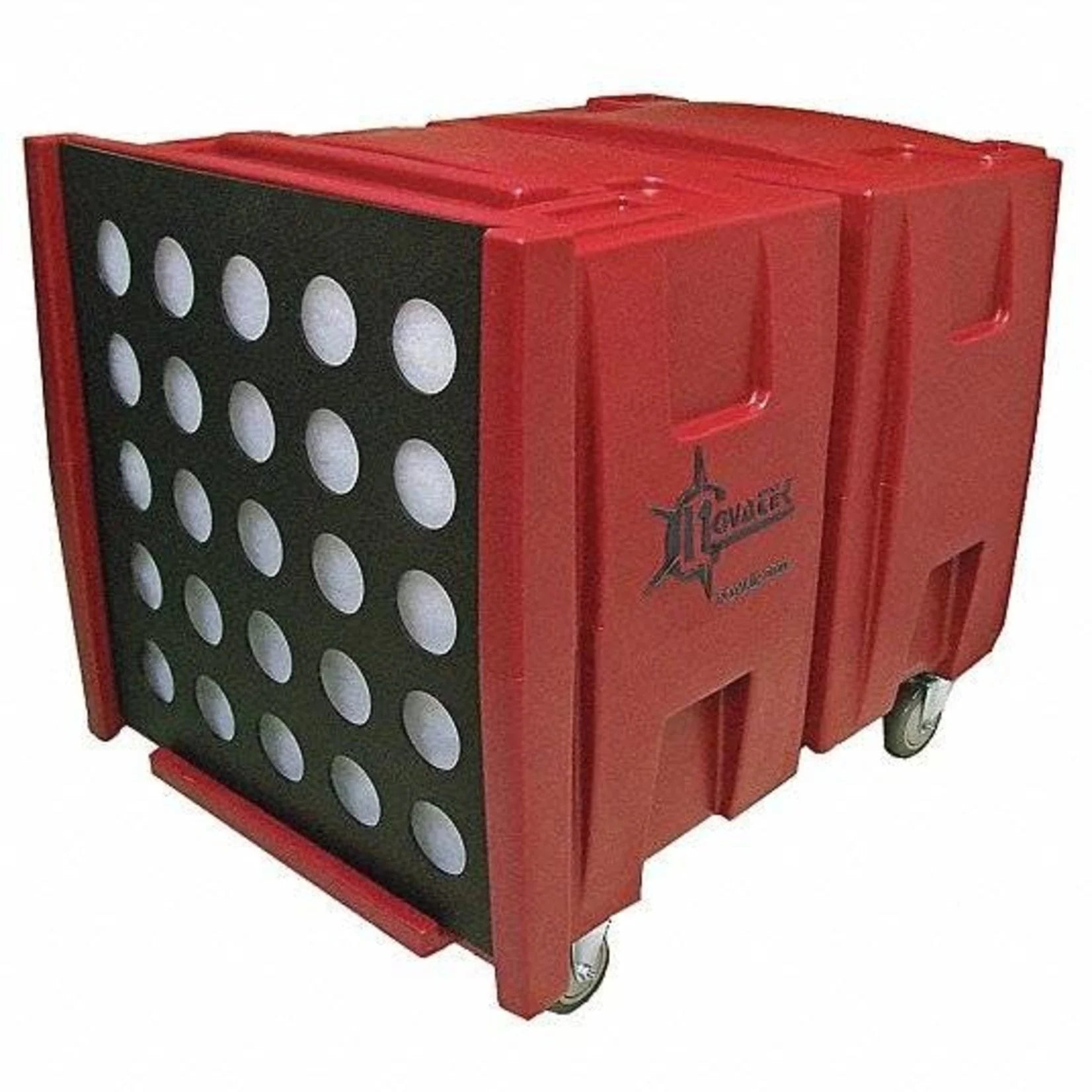
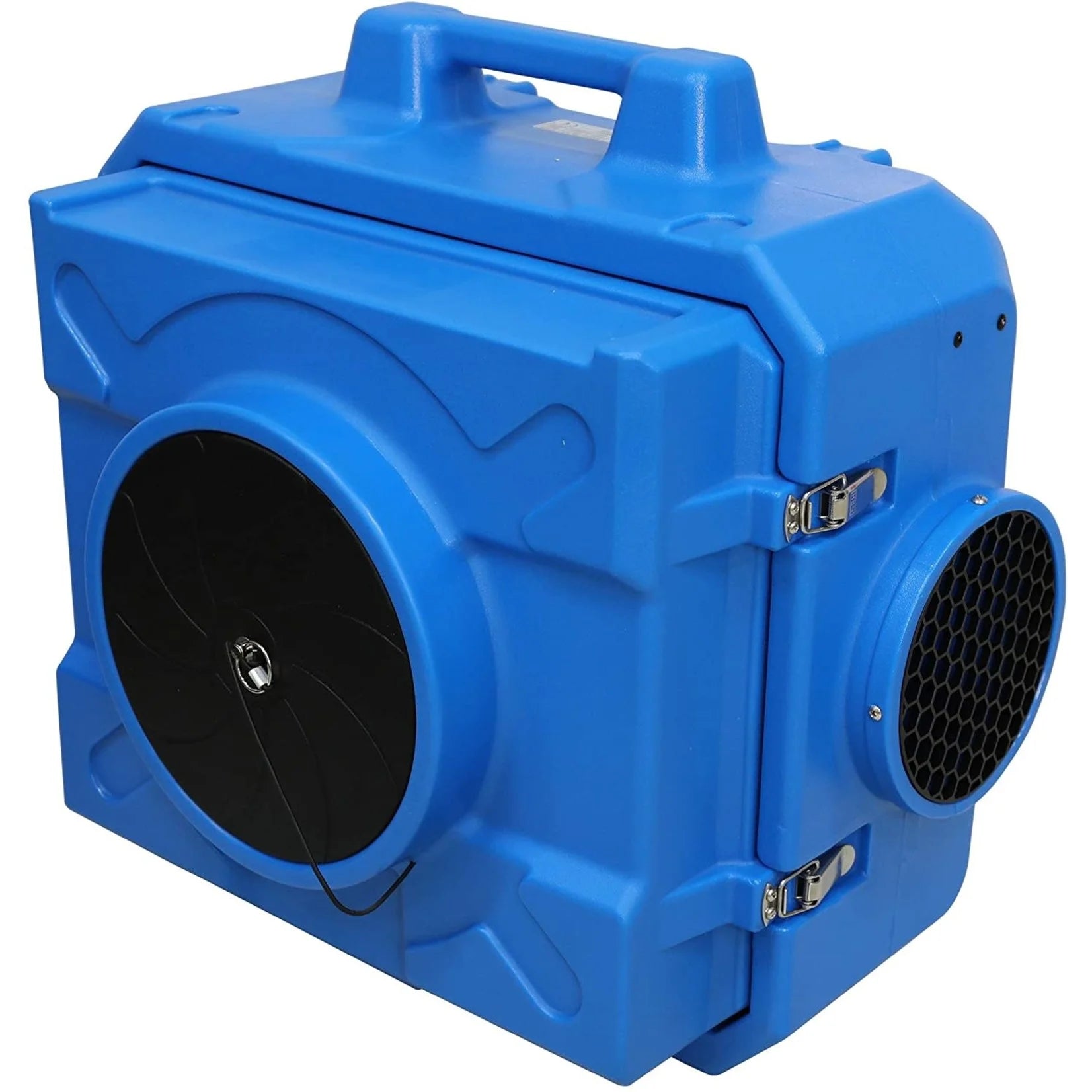
Air scrubbers equipped with HEPA filters capture mold spores as they circulate through the unit. Using one during water damage cleanup can:
- Reduce airborne contamination
- Improve indoor air quality
- Limit cross-contamination during drying or demolition
When to Call a Professional
While small areas may be manageable with ventilation and cleaning, it’s time to call a pro if:
- Mold covers a large area
- Growth keeps coming back
- Odors persist after cleanup
- Mold is suspected inside walls or ceilings
Professional remediation ensures safe removal, prevents the spread of spores, and protects your home and health.
Tip: Even if mold isn’t visible, controlling moisture and airflow is key to keeping your indoor air safe after water damage.