
Air Quality After Water Damage: When an Air Scrubber Helps
How to Know If One Is Right for Your Situation
After water damage, cleanup, or demolition, most people focus on what they can see — wet floors, torn-out materials, or debris. What often gets overlooked is what’s floating in the air. That’s where an air scrubber becomes important.
What an Air Scrubber Does
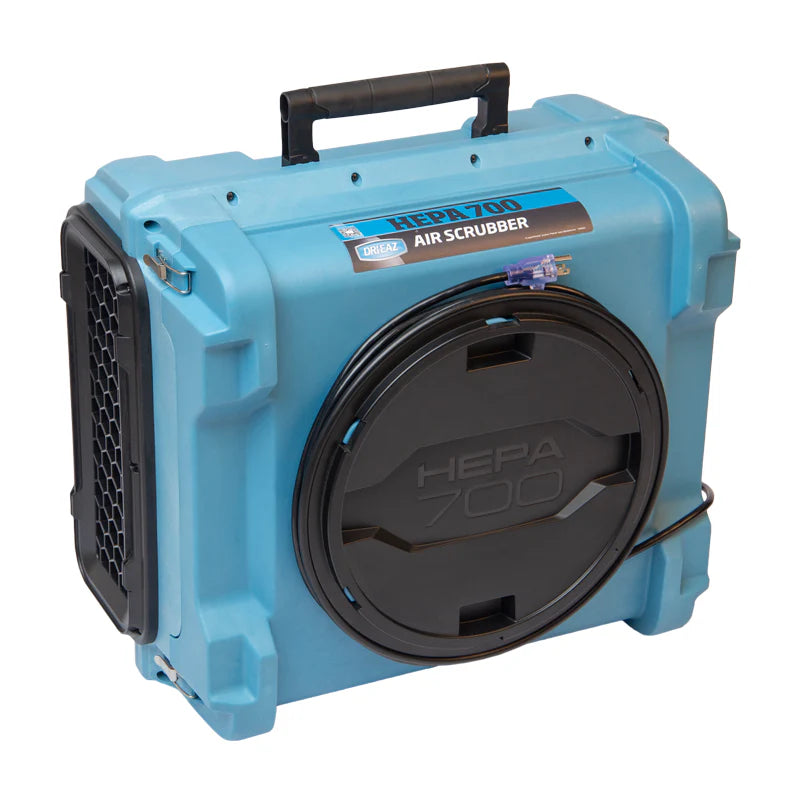
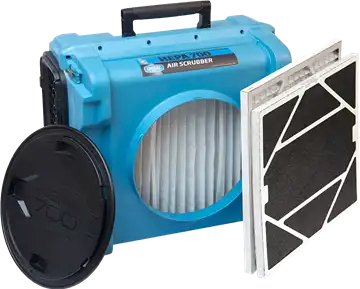
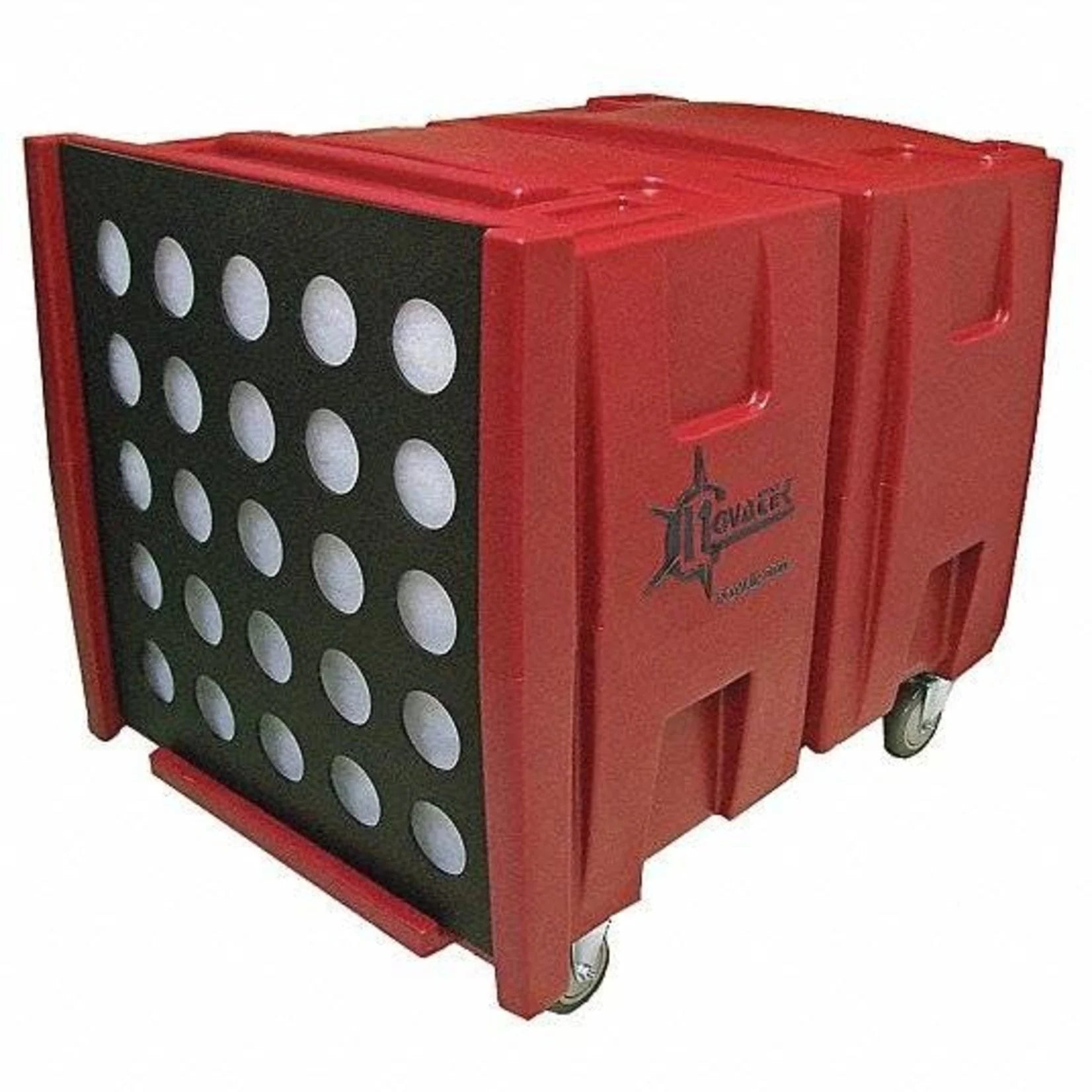
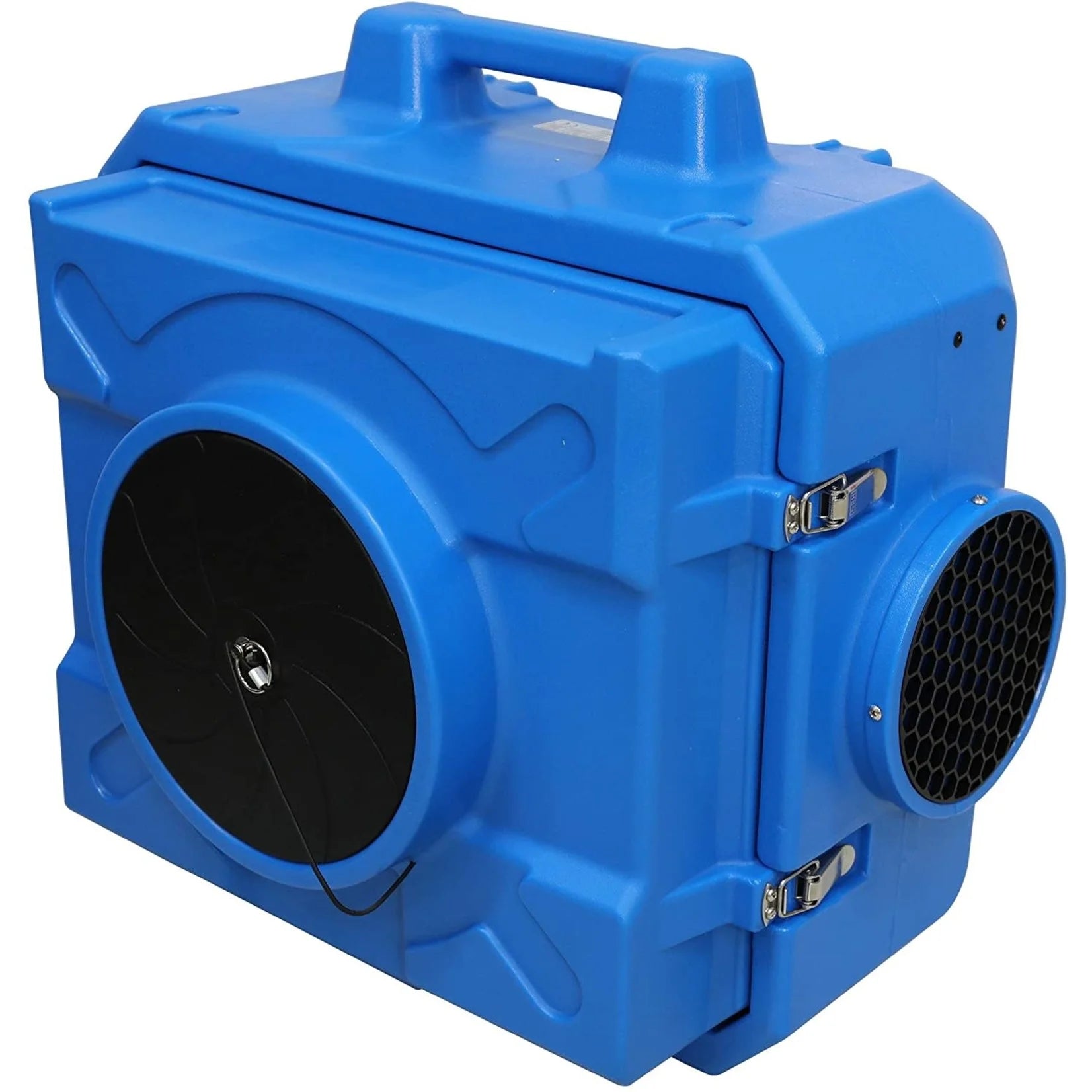
An air scrubber is a portable filtration system that removes airborne particles from an enclosed space. Depending on the filters used, it can capture:
-
Dust and debris
-
Mold spores
-
Bacteria
-
Allergens
-
Odors (with carbon filtration)
Air scrubbers are designed for restoration and construction environments, where air quality can quickly decline.
Situations Where an Air Scrubber Is Recommended
You should consider using an air scrubber if:
-
You smell musty or mold-like odors
-
Mold is visible or suspected
-
Wet or damaged materials are being removed
-
The water source was contaminated
-
Someone in the home has asthma, allergies, or sensitivities
Running an air scrubber during these situations helps reduce airborne particles and prevents contaminants from spreading to unaffected areas.
When an Air Scrubber May Not Be Necessary
An air scrubber may not be needed if:
-
The water damage was very small and dried quickly
-
No materials were disturbed or removed
-
There are no odors or signs of mold
-
Drying was limited to surface moisture only
Final Thought
If drying equipment handles the water, an air scrubber handles the air. It’s a smart layer of protection when air quality is a concern — especially during drying, cleanup, or demolition.